
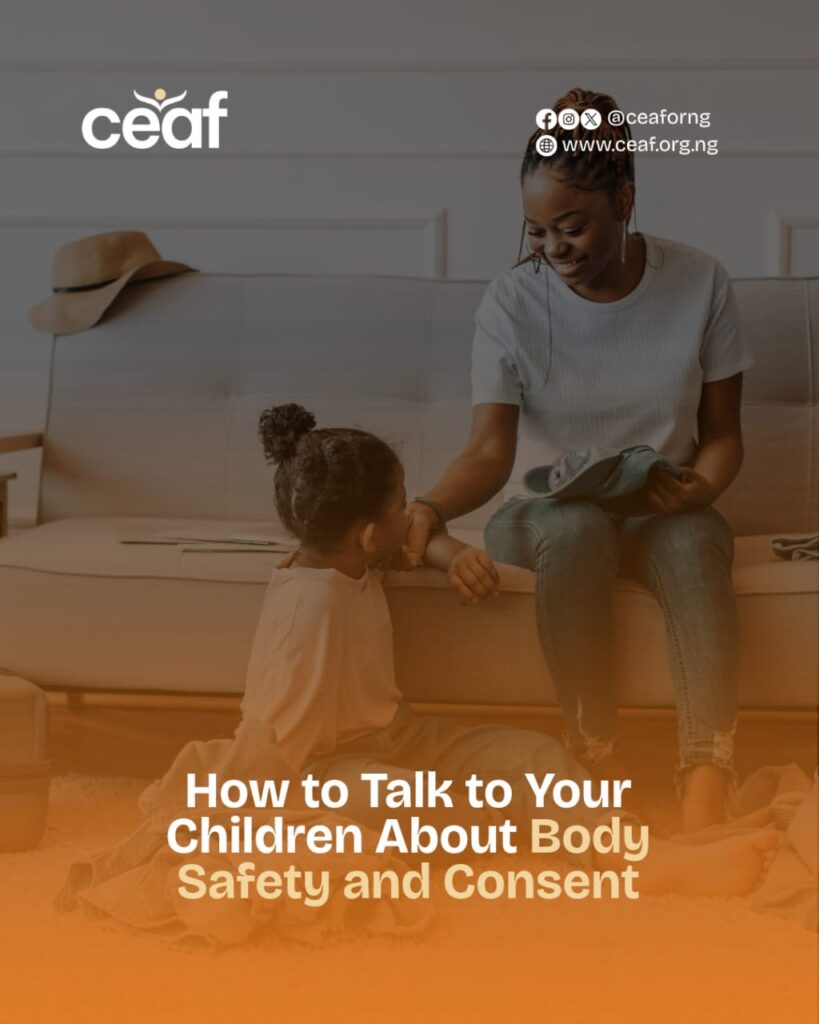
Talking to your kids about body safety can feel uncomfortable. Most parents worry about saying the wrong thing, scaring their children, or bringing up heavy topics too early.
You do not need a dramatic, one-time conversation. Teaching your children about body safety works best through simple, everyday chats built into your normal routine. When you give them the right words and clear boundaries now, you build a foundation that protects them for life.
Here is how you can teach your children body safety and consent in a way that feels natural, open, and reassuring.
Teach the Correct Names for Body Parts
It is common to use nicknames for private parts when kids are small. It feels polite or cute, but using real anatomical terms is actually a crucial safety tool.
When children know the proper words for their bodies, two important things happen:
They learn that their body is nothing to be ashamed of.
If anyone ever touches them inappropriately, they can tell you exactly what happened without confusion.
Start early. Just like you teach them "elbow" or "knee," teach them the correct names for their private areas without making it awkward.
Explain the Rule About Private Parts
Make the rules around private parts direct and easy to remember. A solid rule to teach is that private parts are the areas covered by a swimsuit.
Explain clearly that no one should look at, touch, or take pictures of their private parts. Likewise, no one should ever ask your child to look at or touch theirs.
Make sure to add the practical exception: doctors, nurses, or parents might need to check or clean those areas, but they will always tell the child first and do it openly, never in secret.
Ban "Tricky" Secrets
Abusers often rely on secrecy to keep children quiet. They tell kids that a secret is a "fun surprise" or threaten that something bad will happen if they tell.
Help your child spot the difference between a good surprise and a harmful secret:
Good surprises have an end date and make people happy (like a birthday present or a secret party).
Bad secrets make them feel worried, confused, uncomfortable, or scared.
Tell your child clearly: "Our family does not keep secrets that make you feel bad or uncomfortable. You can tell me anything, and you will never be in trouble for sharing a secret with me."
Practice Consent at Home
Consent is not just a concept for adults. It starts with small, daily choices in your living room.
Let your children decide how they show affection. If your child does not want to hug a relative, do not force them. Offer options instead: "You can give a high-five, wave, or say a warm hello."
When you respect their right to say "no" to unwanted physical contact at home, you teach them two vital lessons:
They have control over their own body.
Other people must respect their physical boundaries, too.
Identify Their "Safety Team"
Sit down with your child and help them name five trusted adults they can talk to if they ever feel unsafe, confused, or scared.
This list should include people outside your immediate home, such as a favorite teacher, a school counselor, a trusted aunt, or a family friend. Reassure your child that if they ever feel unsafe—even if the person causing trouble is someone they know—they can go to anyone on their safety team for help.
0 Comments